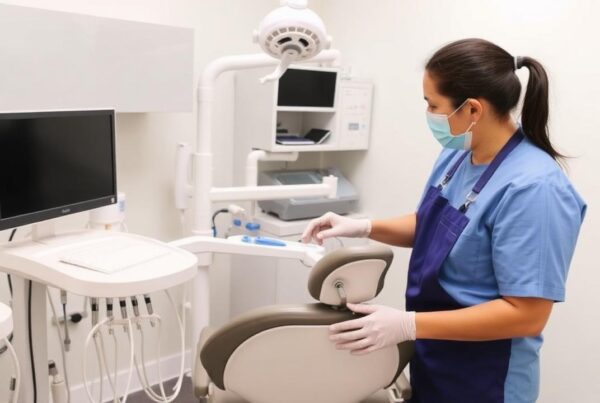
Adding or upgrading imaging is one of the highest-value investments a practice can make — and one of the most regulated. In Australia, radiation safety is administered by each state and territory’s radiation regulator, and compliance touches three things at once: the premises, the equipment and the people using it. Here is the landscape in plain English.
Three layers of authorisation
First, the practice itself generally requires authorisation to possess and operate radiation apparatus — the exact licence structure varies by jurisdiction. Second, each item of X-ray equipment typically must be registered with the regulator. Third, the clinicians who take radiographs need the appropriate use licence or authorisation for the equipment classes they operate. Requirements and terminology differ between states and territories, so confirm specifics with your local regulator early in the project — before equipment is ordered, not after it arrives.
The room matters as much as the machine
Whether you are installing intraoral units, an OPG or CBCT, the room must be assessed for radiation shielding — an evaluation performed against the applicable radiation protection codes, and often requiring input from a qualified radiation expert. Wall construction, operator position, door placement and warning signage are all part of the assessment. This is dramatically easier to accommodate during fit-out than to retrofit, which is why imaging plans belong in your very first floor-plan conversation.
Equipment fundamentals
X-ray units supplied in Australia are medical devices and should be included on the Australian Register of Therapeutic Goods — verify this with your supplier. On installation, equipment should be compliance-tested by an appropriately licensed tester, with periodic testing thereafter as your regulator requires. Keep the certificates: they are the paperwork trail an inspector will ask for first.
Intraoral, OPG or CBCT?
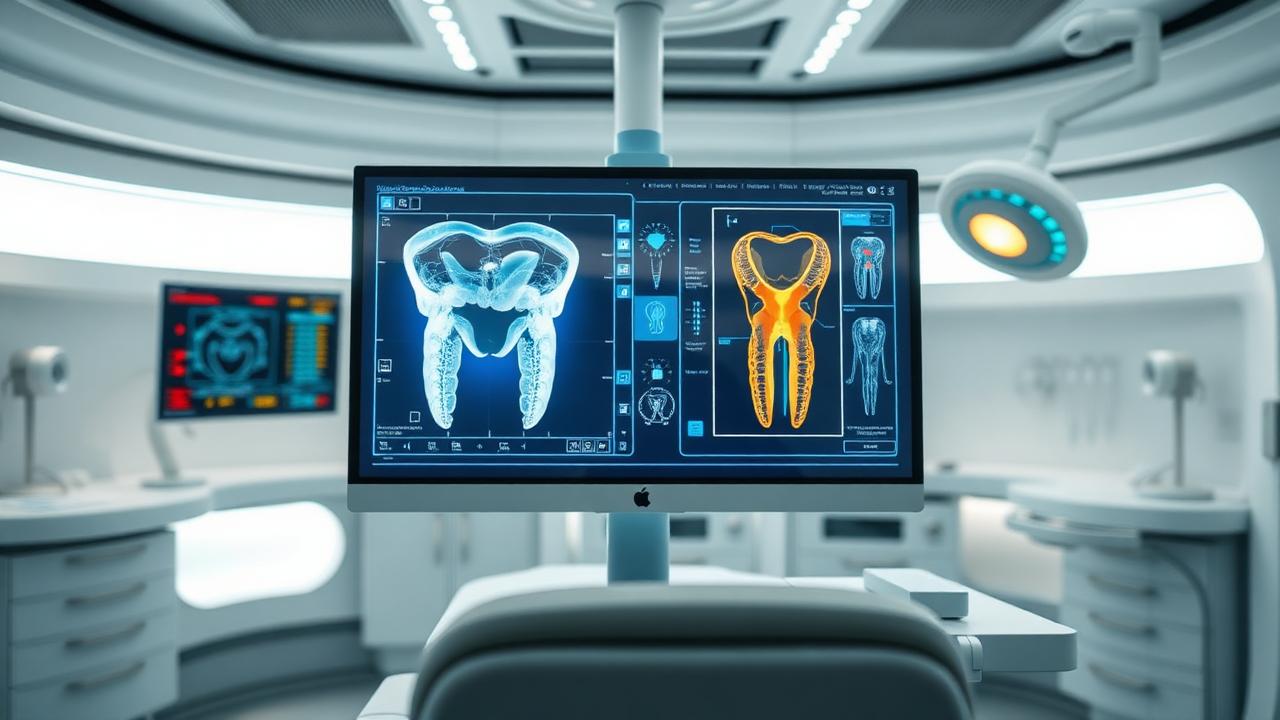
Intraoral radiography remains the daily workhorse and the simplest to accommodate. Panoramic (OPG) units expand diagnostic range and are increasingly standard in general practice. CBCT delivers three-dimensional imaging for implant, endodontic and surgical planning, with correspondingly greater room, shielding and training considerations. The right choice depends on your clinical mix — and on choosing equipment with strong local installation and service support, because imaging downtime is diagnosis downtime.
Make compliance someone’s job
The practices that sail through inspections are the ones where licensing renewals, equipment testing dates and shielding documentation live in a managed calendar rather than a drawer. When you buy imaging equipment, ask your supplier exactly what they handle — delivery, installation, commissioning, compliance testing coordination — and what remains with you.
Borg Dental supplies and installs imaging equipment as part of complete surgery fit-outs, coordinating installation and compliance testing so your machine is ready to use, not just delivered. Planning an imaging upgrade? Make an enquiry and we will map the requirements for your state alongside the equipment options.