Ultrasonic Cleaners

Explore our ultrasonic cleaners range, sourced from the world's leading manufacturers and backed by Borg Dental's installation, maintenance and spare parts support across Australia.

Frequently Asked Questions

Why use an ultrasonic cleaner before sterilising instruments?

An ultrasonic cleaner removes debris from hinges, serrations and other hard-to-reach areas before sterilisation, and it reduces the hand scrubbing your staff need to do. It is a standard step in instrument reprocessing in Australian dental practices, because a steriliser cannot reliably sterilise items that still carry bioburden.

Which ultrasonic cleaner do you recommend for a dental practice?

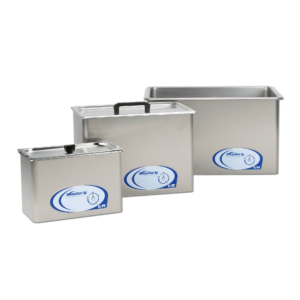
We supply L&R ultrasonic cleaners with SweepZone technology, which sweeps the cleaning frequency across the tank for more uniform cleaning and adjusts to changing loads and solution levels. Tank size should match your instrument volume and cassette dimensions.

What size ultrasonic cleaner does our practice need?

Choose a tank that fits your largest instrument cassettes fully submerged, with enough capacity to process instruments from all of your surgeries at peak times. Let us know your cassette sizes and chair count and our team will help you pick a suitable model, wherever you are in Australia.

How often should an ultrasonic cleaner be tested?

Ultrasonic cleaners should be performance-tested regularly, for example with a foil test or a commercial cavitation indicator, and checked against the manufacturer's instructions. Record the results as part of your infection control documentation.

What solution should we use in a dental ultrasonic cleaner?

Use a cleaning solution designed for ultrasonic use with dental instruments, prepared at the recommended dilution, and change it at least daily or when it is visibly soiled. Avoid using disinfectants that are not intended for ultrasonic baths, as they can reduce cleaning performance.