Every clinical day revolves around the dental chair. It positions your patient, carries your instrumentation, and dictates how your body is postured for thousands of hours a year. Choosing one on price or looks alone is a mistake practitioners only make once. Here is what to actually compare.
Practitioner ergonomics come first
Musculoskeletal strain is one of the leading occupational issues in dentistry, and the chair is where it starts. Look for a thin, narrow backrest that lets you bring your knees under the patient and work close without hunching, smooth programmable positioning, and a headrest that places the oral cavity where you need it rather than where the chair allows. Have every clinician who will use the chair sit and work at it in a showroom setting before you commit.
Patient comfort is a practice asset
Anxious patients notice everything. Quiet, smooth chair movement, supportive cushioning and a stable entry and exit position all lower the temperature of an appointment. For practices treating elderly or mobility-limited patients, low minimum seat heights and swing-away armrests make transfers safer and more dignified.
Get the delivery configuration right
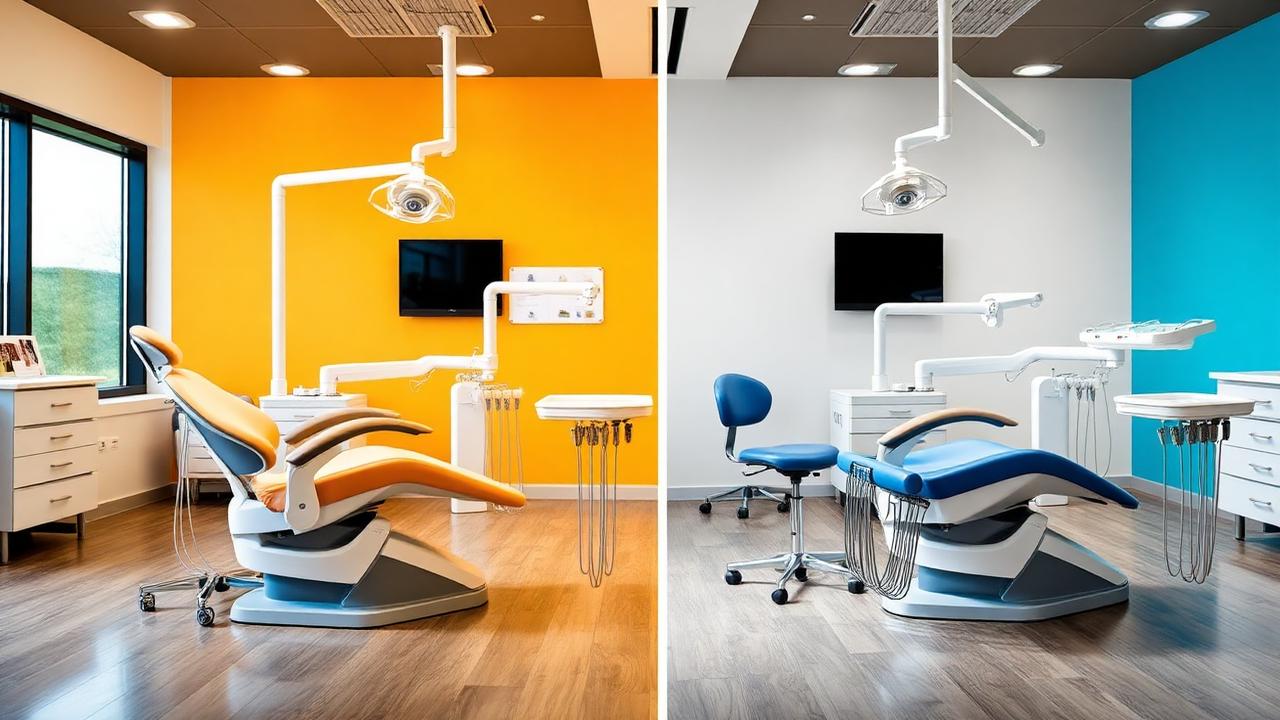
How instruments are delivered — over-the-patient, side-delivery, or from a separate cart — changes your working style and your room layout. Consider whether the configuration suits both right- and left-handed operators, how easily assistants can reach suction and instrumentation in four-handed dentistry, and whether the layout will still work if a different clinician uses the room in future. Convertible and cart-based systems preserve flexibility as the team changes.
Hygiene and cleanability
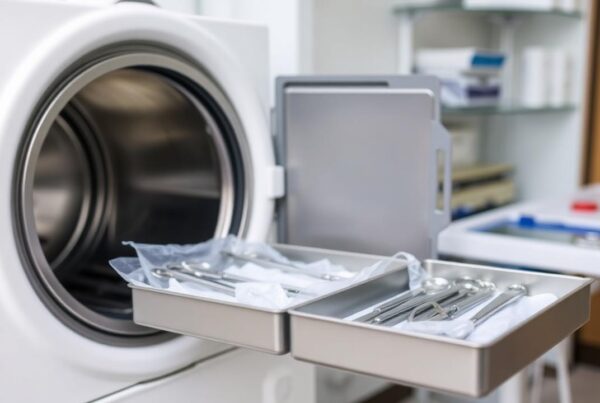
Modern infection control expectations favour seamless upholstery, smooth surfaces without dirt traps, removable and autoclavable instrument holders, and integrated waterline maintenance. Ask specifically how the chair supports suction line cleaning and waterline hygiene — the answer tells you a lot about how the product was engineered.
Regulatory and support fundamentals
Dental chairs supplied in Australia are medical devices and should be included on the Australian Register of Therapeutic Goods — confirm this with any supplier. Then ask the questions that matter for year ten, not just day one: Who installs and commissions the chair? Who services it, and how quickly? Are spare parts held locally? Is there a preventative maintenance program? A well-built chair with strong local support will still be working reliably when cheaper alternatives have been replaced twice.
Why we back Belmont
Borg Dental supplies and services Belmont chairs because they exemplify this philosophy: precision Japanese engineering, renowned hydraulic reliability, and a design culture built around clinician posture and patient comfort. Every Belmont chair we supply is installed, commissioned and supported by our own factory-trained technicians, with spare parts backing across Australia.
Choosing a chair? Visit our showroom or make an enquiry — we will help you compare configurations against the way you actually work.