Digital technology has moved from the specialist end of dentistry into everyday general practice. For many Australian clinics, the question in 2026 is no longer whether to go digital, but which tools will genuinely improve patient care, save chair time and fit the way the team already works. At Borg Dental we see these decisions every week in our North Melbourne showroom, so here is a practical look at the trends worth planning for and how to approach them without overspending on technology you will not use.
1. Digital radiography becomes the default
Film is now rare in new fit-outs. Digital intraoral sensors and phosphor plate scanners give clinicians instant images on the chairside screen, remove chemical processing from the practice and make it simple to share images with patients and referring specialists.
Sensors or phosphor plates?
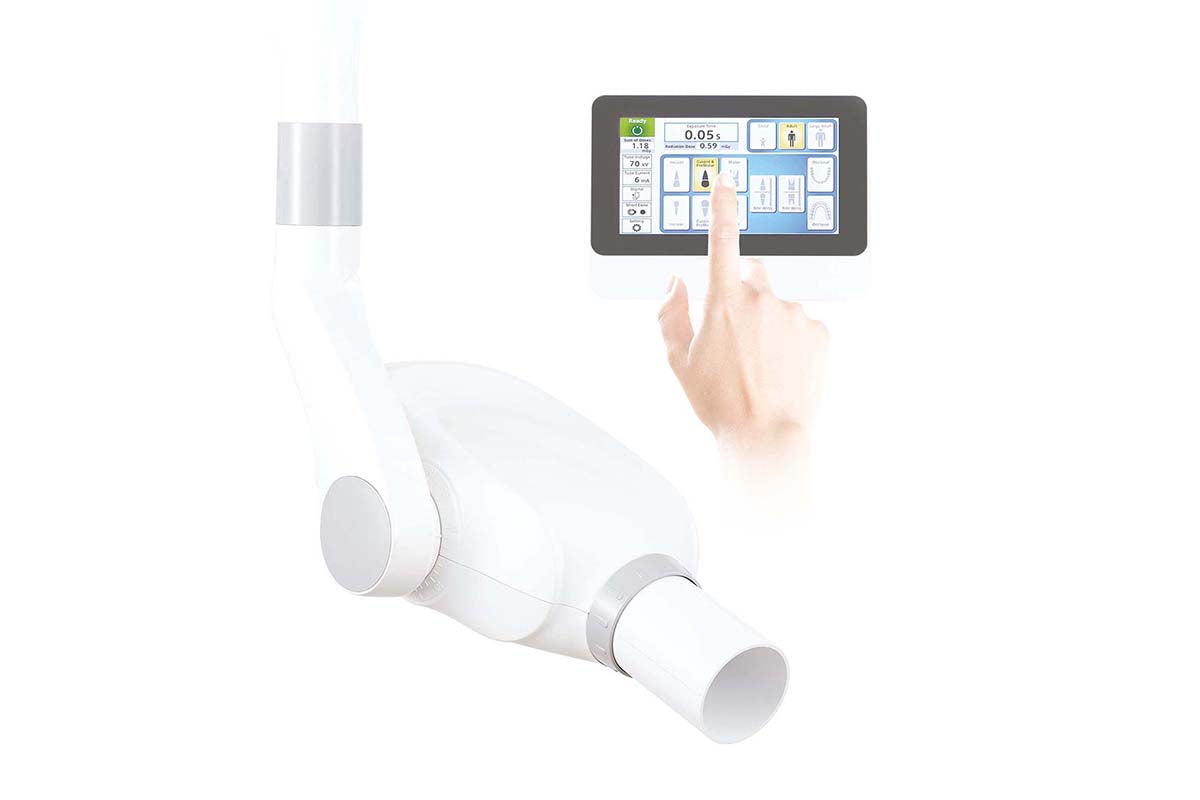
Both have a place. Direct sensors deliver an image in seconds and suit busy general practices. Phosphor plates are thin and flexible, which many patients find more comfortable, and a single scanner can serve several surgeries. Our X-ray equipment range includes intraoral X-ray units such as the Belmont PHOT-X IIS 505, along with Acteon sensors and plate scanners, so you can compare both approaches side by side.
Plan for compliance from day one
Any new or relocated X-ray unit in Victoria must meet the requirements of the state radiation regulator, including room shielding and licensing. Building this into the design stage avoids costly changes after the walls are finished.
2. Intraoral cameras as a communication tool
An intraoral camera is one of the most cost-effective digital upgrades a practice can make. Showing a patient a clear image of a cracked restoration or early decay on the chair monitor helps them understand the problem and the recommended treatment. Many practices also use camera images in clinical notes. The Acteon range includes intraoral cameras designed to integrate with chairside screens and imaging software.
3. Connected, ergonomic treatment centres
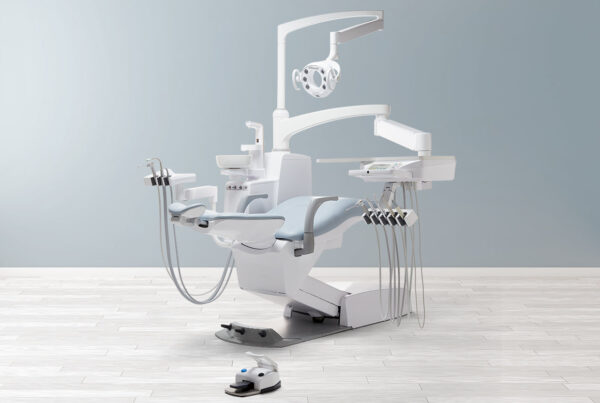
Modern dental chairs are increasingly designed around digital workflows. Chairside monitors, integrated cameras, programmable positions and hands-free foot controls let clinicians keep their focus on the patient. Belmont’s Eurus series, for example, offers chair stick switches and wireless foot control options for hygienic, intuitive operation. When you compare dental chairs in Melbourne, check how easily a monitor arm, camera and imaging software can be added now or later.
4. Smarter handpieces and instrument care
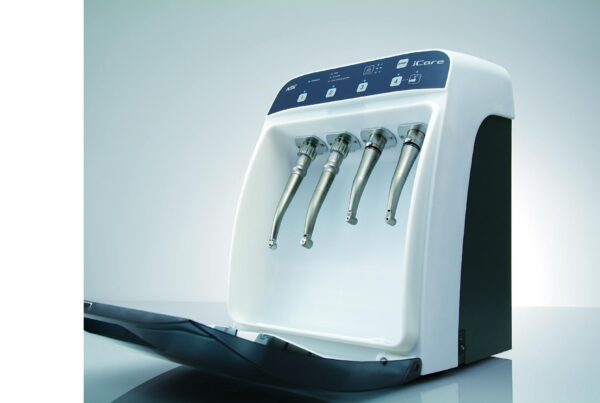
Handpieces are a daily workhorse, and digital features are making them more reliable. LED optics, electric micromotors with programmable speed and torque, and automated maintenance systems all reduce variability. Automated cleaning and lubrication units such as the NSK iCare apply the same maintenance cycle every time, which helps protect expensive handpieces. Explore our NSK handpieces and the wider handpiece range.
5. Digital traceability in the sterilisation room
Infection control documentation is moving away from paper logbooks. Current Class B autoclaves can record every cycle electronically, making it easier to demonstrate compliance with AS 5369:2023 and the Australian Dental Association’s infection control guidelines. MELAG sterilisers, for example, support digital cycle documentation. See our autoclaves and sterilisers for options suited to different practice sizes.
6. Plant room equipment that monitors itself
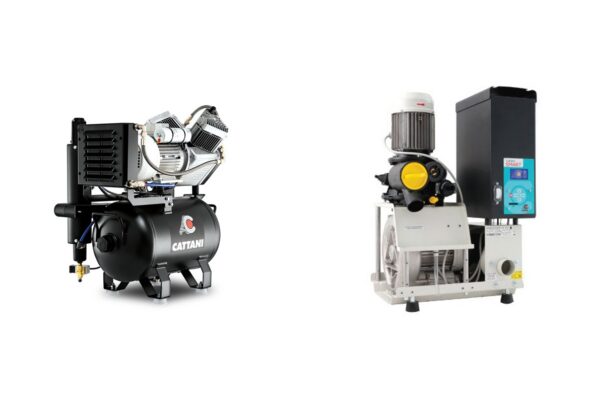
Compressors and suction systems are becoming smarter too. Inverter-driven suction, such as Cattani’s Turbo Smart range, adjusts motor speed to match real demand, which can reduce noise and energy use compared with older fixed-speed plant. Reliable air and suction are the foundation that every digital tool in the surgery depends on, so they deserve the same attention as the technology patients can see. Browse our plant room equipment.
How to adopt digital technology sensibly
Going digital works best as a staged plan rather than a single large purchase. A few principles we recommend:
- Start with the workflow problem you want to solve, such as faster imaging or clearer case presentation, then choose the tool.
- Check compatibility with your practice management and imaging software before you buy.
- Allow time and budget for training so the whole team uses the new equipment confidently.
- Ask who will install, service and support the equipment locally, and how quickly.
- Include new equipment in a preventative maintenance program from the start.
Why local support matters
Digital equipment is only valuable when it works. A sensor that fails mid-morning or a chair monitor that will not connect costs chair time and patient goodwill. Choosing a supplier with local technicians and access to spare parts gives you a faster path back to normal. Borg Dental provides dental equipment servicing in Victoria for the equipment we supply, including Belmont, NSK, Cattani, MELAG, DCI and Dürr.
See digital dentistry in person
The best way to judge new technology is to try it. Visit the Borg Dental showroom at 6/63-71 Boundary Rd, North Melbourne, open Monday to Friday from 9am to 5pm, to see chairs, imaging and handpieces working together. Call us on (03) 9329 6276 or send us an enquiry and our team will help you build a digital plan that suits your practice.